
Computerized Scheduling
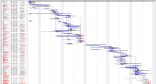
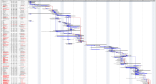
A successful project begins with a well-planned schedule. For larger projects, we prepare a detailed critical path schedule before work begins, incorporating input from the key parties involved. This helps identify long-lead items early, coordinate trade sequencing, and create a clearer timeline for the project team.
While construction schedules can be affected by permitting, inspections, material availability, weather, and site conditions, thoughtful planning helps reduce avoidable delays and keeps everyone better informed about upcoming phases of work.
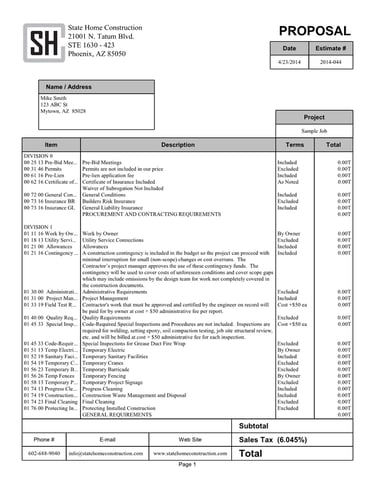
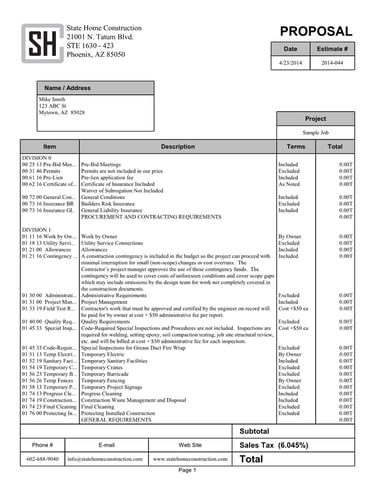
Detailed construction proposals help clients understand the scope, pricing, allowances, and key project details before work begins. We use our experience to prepare clear, line-item proposals that explain what is included and, just as importantly, what is not included.
This level of detail helps reduce assumptions, clarify expectations, and identify areas where changes or additional costs may apply. In many cases, understanding exclusions and allowances is just as important as understanding the included work.
Selecting a General Contractor
Selecting a Contractor
Choosing the right contractor can be a difficult decision because the best choice is not always the lowest price. A strong contractor should provide fair pricing, clear communication, relevant experience, proper licensing, and a professional process.
The goal is to choose the contractor who offers the best overall value for your specific project. That value includes the scope of work, quality of communication, schedule planning, project management, and the contractor’s ability to guide the job from planning through completion.
Licensed, Bonded, and Insured
Get Permits
Get Written Contracts
Check References
When hiring a contractor, it is important to verify that the contractor is properly licensed, bonded, and insured for the type of work being performed. A license shows that the contractor has met state requirements for that license classification, while bonding and insurance can provide added layers of protection depending on the situation and policy terms.
Before signing a contract, homeowners should verify the contractor’s license status through the Arizona Registrar of Contractors and confirm that the contractor carries appropriate insurance coverage for the project.
Checking references can give you valuable insight into a contractor’s communication style, professionalism, workmanship, and project management approach. Past customers may be able to share how the contractor handled questions, changes, scheduling issues, and overall coordination.
References are not a guarantee of future results, but they can help you better understand the contractor’s working style and decide whether they are a good fit for your project.
A written contract helps protect both the homeowner and the contractor by clearly outlining the project terms. In Arizona, if a construction contract is over $1,000, it should include the contractor’s name, business address, and license number, along with the owner’s name and mailing address and the project’s jobsite address or legal description.
The contract should clearly state the date the contract was signed, the estimated completion date, a detailed description of the work, and the total cost of the project, including applicable taxes. It should also identify any advance deposits and explain the amount and timing of progress payments.
Finally, for your protection, the contract must prominently display information about your right to file a complaint with the Arizona Registrar of Contractors, including the Registrar’s telephone number and website. Before signing, review the contract carefully so you understand what is included, what is excluded, how changes are handled, and what payments are due at each stage.
Permits are an important part of many construction projects, especially work involving structural changes, mechanical systems, plumbing, electrical systems, or other regulated improvements. Permit requirements vary by city, project type, and scope of work.
When permits are required, inspections provide an additional review process to help confirm that the work follows applicable building codes. Before starting a project, homeowners should discuss permitting with their contractor and confirm which permits are required for the work being performed.
A lien release is a crucial document that protects you from having to pay for the same work or materials twice. If your contractor doesn't pay their suppliers or subcontractors, those parties can place a lien on your property, essentially making you responsible for the debt. To protect yourself, you should collect lien releases from your contractor and all their suppliers and vendors. It's recommended to get a final, unconditional lien release from all suppliers before your final payment to the contractor. After the contractor cashes your final check, be sure to get an unconditional final lien release from them as well. This ensures all parties have been paid and that your property is safe from any future claims.
Get Lien Releases


Detailed Proposals
General Contractor
Expert construction services in the Greater Phoenix Area since 1998.
Licensed/BONDED/INSURED
602-688-9040
© 2026. All rights reserved.